Fill out the form below and one of our coaching specialists will get back to you within 24 hours.
Request a Free Consultation
Fill out the form below and one of our coaching specialists will get back to you within 24 hours.
WHAT WE PROVIDE
What we provide
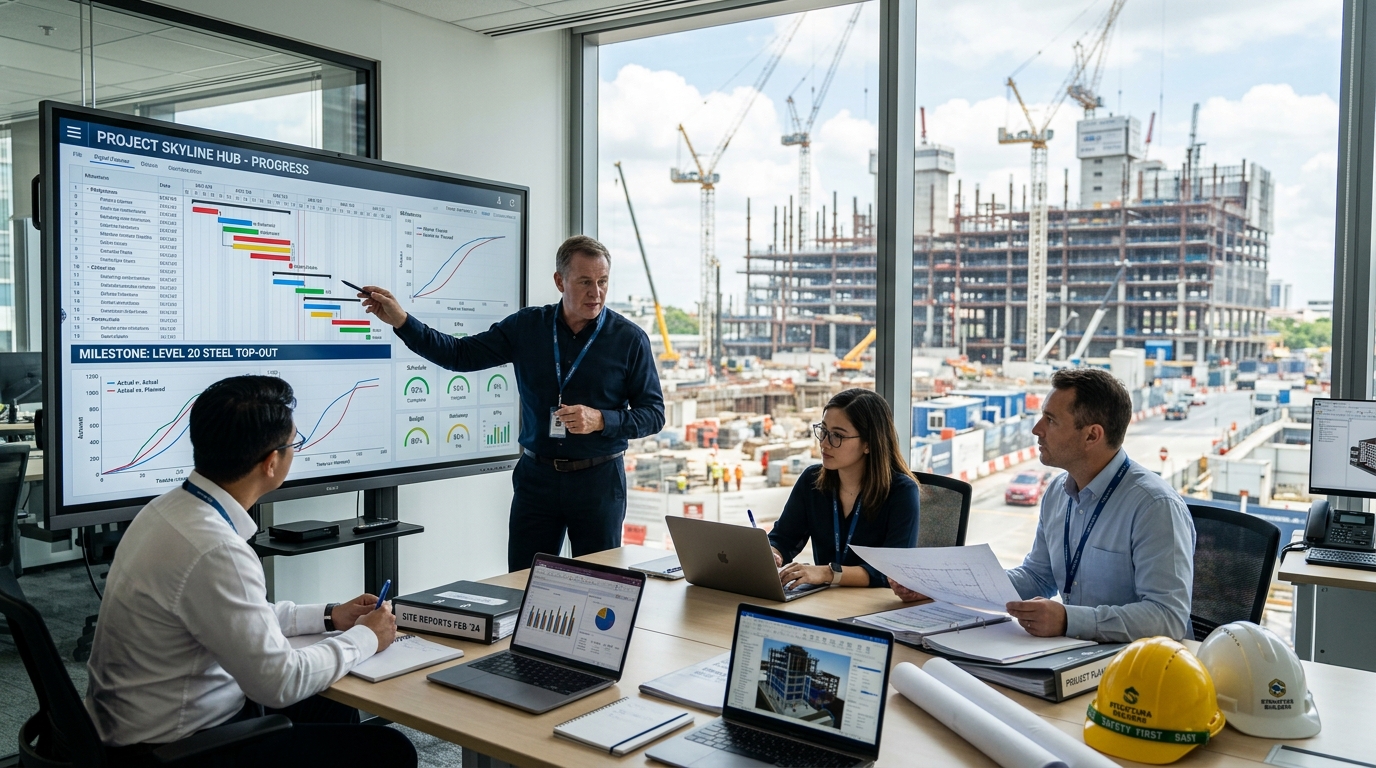
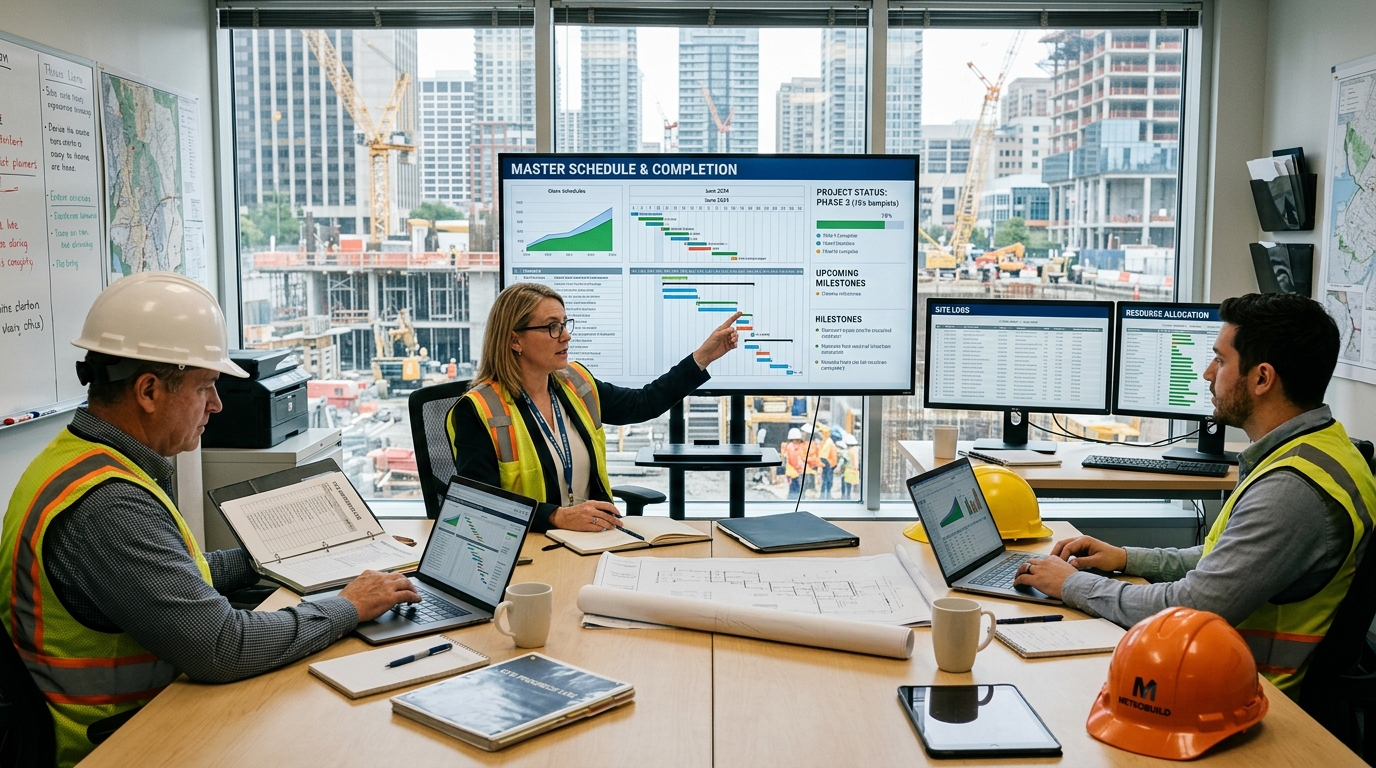
Solvix International provides progress monitoring and reporting services that give project stakeholders a clear, reliable view of actual performance, forecast exposure, and the actions needed to protect delivery. We take raw site information, schedule updates, procurement data, engineering status, cost indicators, and commercial inputs and convert them into structured project controls reporting that supports timely decision-making.
A good progress monitoring and reporting system does more than record what happened. It explains what changed, why it changed, what happens next, and which decisions matter most now.
This service can be delivered as proactive commercial governance on live projects, an independent review of a troubled cost position, or a targeted verification exercise linked to payment, change, funding, audit, or dispute concerns.
In many construction disputes, the challenge is not simply the absence of data but the absence of structure. Critical information is spread across correspondence, schedules, notices, progress updates, payment records, meeting minutes, instructions, and technical documents. Solvix helps turn that fragmented material into a disciplined narrative and evidence base that legal teams can work with effectively.
Model the delay event using realistic relationships, durations, constraints, and resource-driven sequencing where justified.
4. Insert and run the impacted programme
Integrate the fragnet into the update closest to completion, milestones, and float effects.
➜
5. Interpret results and entitlement
Evaluate whether the event affected the critical path, concurrent issues, excusable delay, and extension implications.
➜
6. Report clearly and defensibly
Issue a transparent narrative, schedules, assumptions, and outputs suitable for project teams and dispute forums.
We also explain the assumptions behind the selected update, fragnet structure, progress status, and any limitations in the available records. That transparency is important because many TIA disputes turn not on software operation, but on whether the model reasonably reflects the real event and the accepted programme at the time.
WHAT A STRONG EXPERT REPORT INCLUDES
Core elements usually expected in independent construction expert reporting
Issue Framing
Define the question, scope, and assumptions.
Evidence Trail
Show the records and data relied upon.
Methodology
Explain how the analysis was performed.
Findings
Set out the material results and observations.
Opinion
State the conclusion clearly and independently.
IMPLEMENTATION APPROACH
How we implement progress monitoring and reporting
The exact method depends on contract requirements, reporting cadence, data maturity, project phase, and stakeholder expectations. However, the core reporting logic remains consistent: gather trustworthy data, validate it, convert it into structured project controls insight, and issue concise reports that help management act quickly and confidently.
1. Define the reporting framework:
agree reporting calendar, KPI set, dashboard structure, audience, and escalation thresholds.
2. Collect and validate project inputs:
review site updates, quantities, milestone evidence, schedule status, procurement logs, and design progress information.
identify slippage, trend movement, root causes, and likely consequences if no corrective action is taken.
5. Issue management reporting packs:
produce dashboards, narrative commentary, graphics, heat maps, and executive summaries.
6. Track actions to closure:
record agreed mitigation measures, responsible parties, and follow-up status in the next reporting cycle.
RECORDS AND OUTPUTS
Typical inputs and deliverables
High-quality reporting depends on disciplined data collection and transparent assumptions. Solvix works with live project records and identifies any reliability issues, missing evidence, or inconsistencies that may affect the confidence level of the reported position.
Typical inputs
Baseline schedule, updates, milestones, and look-ahead plans
Daily logs, site progress updates, quantities, photos, and area completion records
Engineering and procurement trackers, approvals logs, and long-lead status
Risk registers, issue logs, commercial alerts, and action trackers
Cost or cash-flow indicators where integrated reporting is required
Meeting minutes and management decisions from prior cycles
Typical deliverables
Weekly or monthly progress report pack
Executive summary and dashboard view with KPIs and highlights
Milestone tracker and forecast completion summary
Variance, risk, and issue commentary with recommended actions
Presentation material for governance or stakeholder meetings
Action log showing owner, target date, and closure status
It typically includes data collection, schedule and milestone tracking, variance analysis, forecast reporting, dashboards, executive summaries, and action tracking.
No. Many clients use structured reporting from day one to create visibility, improve governance, and detect risk early rather than waiting for problems to escalate.