Fill out the form below and one of our coaching specialists will get back to you within 24 hours.
Request a Free Consultation
Fill out the form below and one of our coaching specialists will get back to you within 24 hours.
What we provide
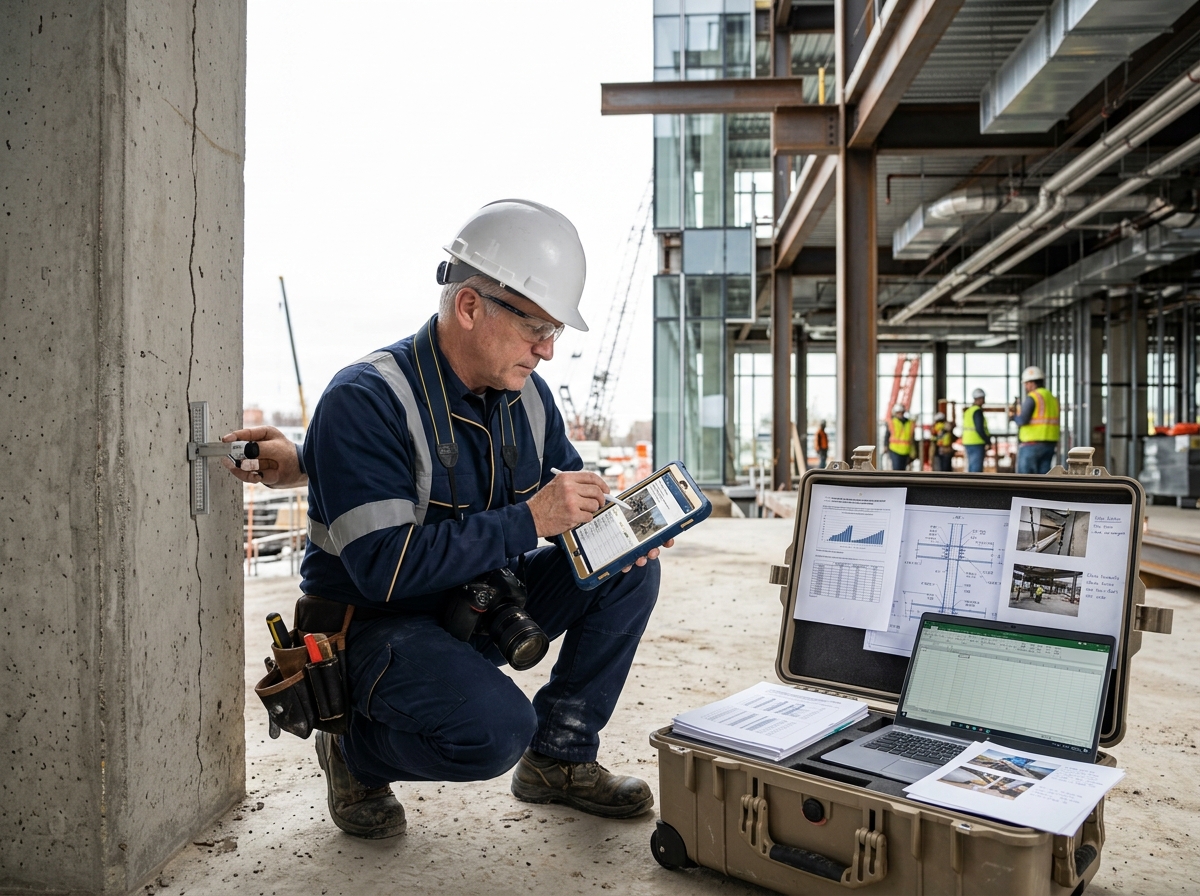
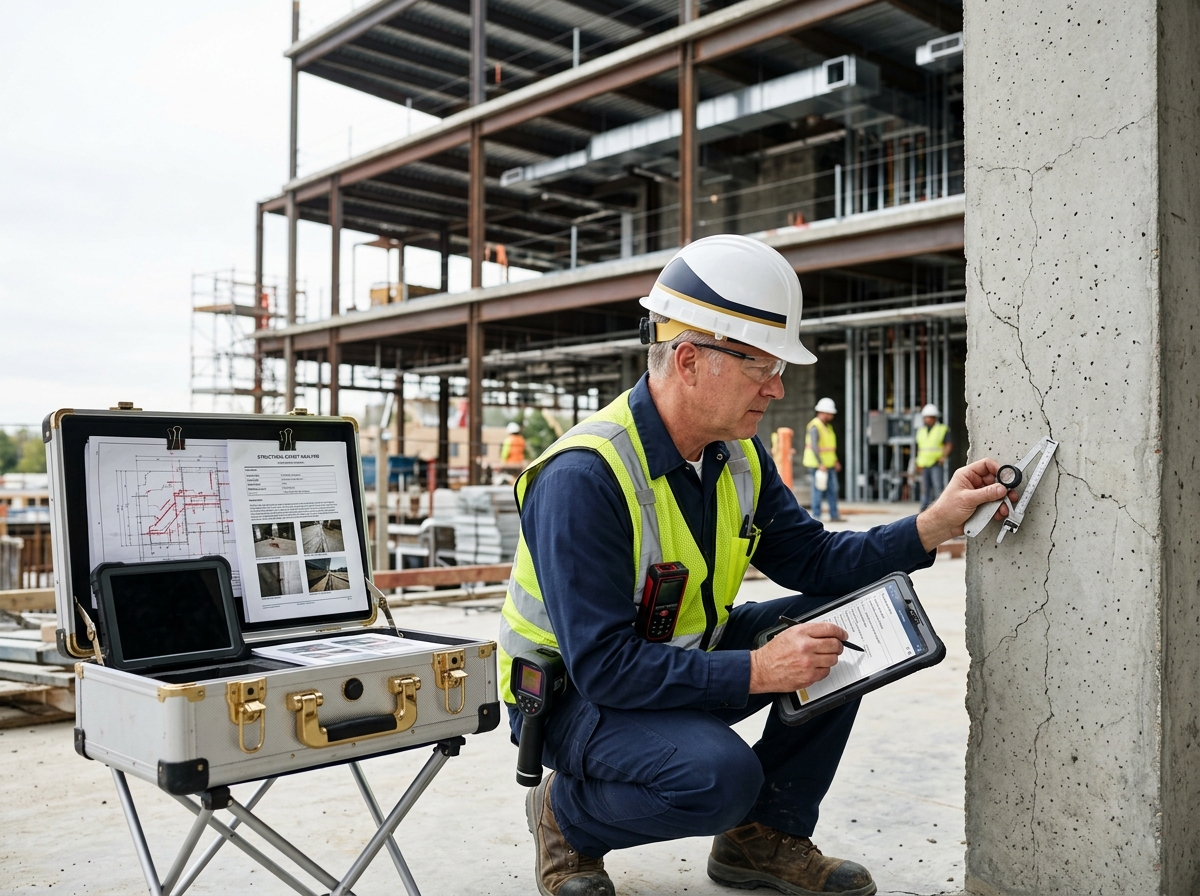
Solvix International provides forensic engineering investigation services for construction, infrastructure, industrial, and property-related matters where clients need an independent technical opinion on defects, failures, workmanship issues, system underperformance, or damage causation. We connect the physical evidence, design intent, construction records, technical standards, and project chronology to determine what happened, why it happened, and what the issue means for risk, remediation, claims, or defence.
Our forensic engineering investigations are scoped to suit the asset, issue type, urgency, and intended use of the findings. Assignments may range from desktop causation screening through to detailed site inspection, defect mapping, testing review, and report preparation.
This service can be delivered as proactive commercial governance on live projects, an independent review of a troubled cost position, or a targeted verification exercise linked to payment, change, funding, audit, or dispute concerns.
In many construction disputes, the challenge is not simply the absence of data but the absence of structure. Critical information is spread across correspondence, schedules, notices, progress updates, payment records, meeting minutes, instructions, and technical documents. Solvix helps turn that fragmented material into a disciplined narrative and evidence base that legal teams can work with effectively.
Core elements usually expected in independent construction expert reporting
Issue Framing
Define the question, scope, and assumptions.
Evidence Trail
Show the records and data relied upon.
Methodology
Explain how the analysis was performed.
Findings
Set out the material results and observations.
Opinion
State the conclusion clearly and independently.
ASSESSMENT APPROACH
How we investigate
Our methodology is structured to produce clear, evidence-based engineering conclusions while distinguishing observed facts from technical interpretation. The exact scope varies by discipline and available records, but the core logic remains consistent: define the issue, review the design and history, inspect the asset, analyse the technical mechanism, and state the most defensible opinion on causation and consequence.
1. Brief and issue framing:
confirm the asset, event, condition, and questions the investigation must answer.
2. Document and design review:
analyse drawings, calculations, specifications, records, test data, maintenance history, and prior correspondence.
3. Inspection and evidence capture:
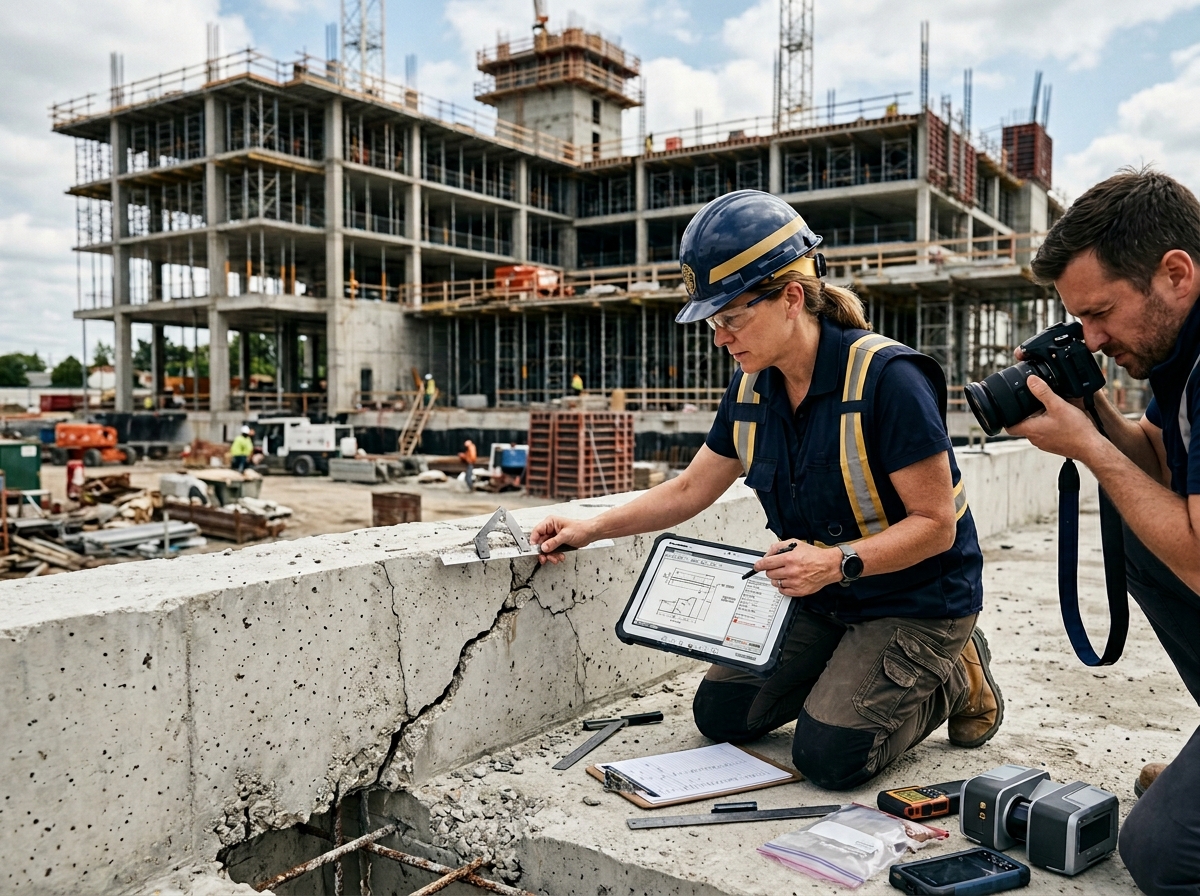
complete site inspection, defect mapping, photography, measurement, and targeted technical observations.
4. Technical analysis:
assess detailing, buildability, workmanship, loading, sequencing, systems integration, and standard compliance.
5. Causation opinion and consequence review:
identify the primary cause, contributing factors, safety significance, and likely technical implications.
6. Reporting and strategy support:
issue findings with recommended next steps for remediation, monitoring, claims, defence, or expert referral.
EVIDENCE AND OUTPUTS
Records typically reviewed and deliverables
Forensic engineering work depends on the quality and breadth of the available evidence. Solvix works with the record set provided, identifies evidential gaps, and explains how record limitations may affect the certainty or scope of conclusions.
Typical records reviewed
Issued-for-construction drawings, revisions, details, and calculations
Specifications, method statements, inspection records, and QA/QC documents
Site photographs, snag lists, test reports, samples, and maintenance logs
RFIs, NCRs, technical submittals, approvals, and commissioning records
Progress records, instructions, correspondence, and meeting minutes where chronology matters
Prior assessments, repair records, or monitoring data where defects have evolved over time
Typical use cases
Forensic engineering report or targeted technical memorandum
Defect mapping schedules, annotated photos, and issue matrices
Probable cause and contributing-factors analysis
Compliance observations against design intent, standards, or specifications
Remedial considerations, prioritisation, or further-investigation recommendation
Inputs for claim preparation, defence review, mediation, arbitration, or expert proceedings
It is an independent technical investigation into a defect, failure, or performance problem to determine what happened, why it happened, and what the consequences are.
Yes. Many clients instruct forensic investigations early so they can understand the technical position before deciding on remedial action, commercial strategy, or legal steps.
Yes. Investigation findings can feed directly into claims preparation, defence review, delay and quantum support, expert reports, and dispute-resolution strategy.
Our Portfolio
Related Projects
Successfully executed across the globe — showcasing our commitment to excellence.