


Technical Forensics (Structural, MEP, Architectural Failures)

Book a Free Consultation

Book a Zoom call with a Solvix consultant at a time that suits you. The Zoom link is sent to you as soon as you book.

Book a Free Consultation

Book a Zoom call with a Solvix consultant at a time that suits you. The Zoom link is sent to you as soon as you book.

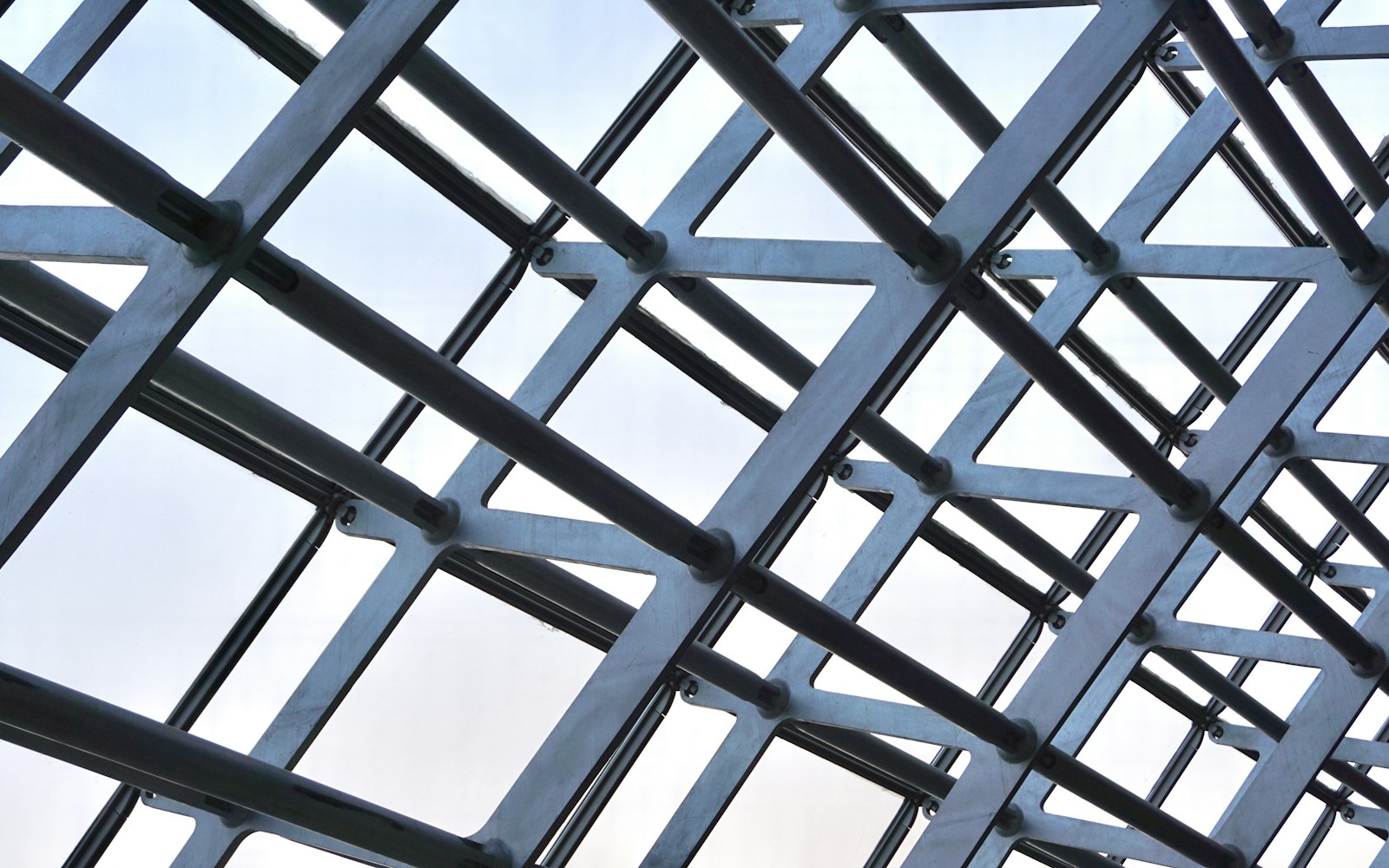
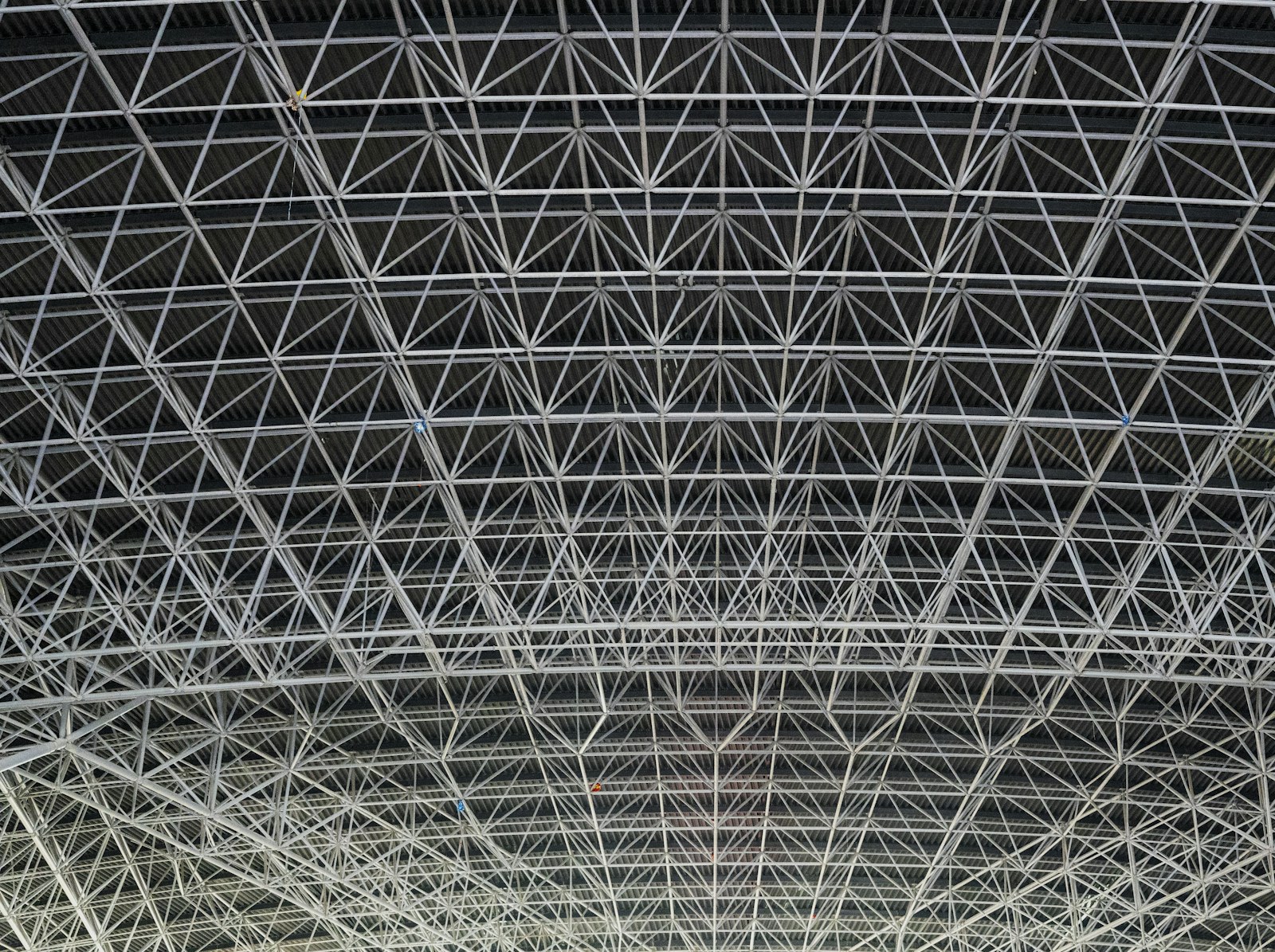
Steel structural frame seen from below

What we provide

Solvix International provides independent technical forensics services for projects and assets where a structure, system, component, or building envelope has not performed as intended. We investigate the symptoms, review the available design and construction records, inspect the affected areas, analyse possible failure mechanisms, and issue a reasoned opinion on the most likely root cause or causes.

Space frame roof structure

Investigations may relate to structural distress, MEP underperformance, leakage, corrosion, façade defects, waterproofing breakdowns, finish failures, building movement, or workmanship concerns.

Our role can support remediation decision-making, insurer and stakeholder communication, claim preparation or defence, expert team coordination, and formal dispute proceedings.

Typical Failure Categories

TECHNICAL
FORENSICS
Structural cracking and movement
Water ingress and leakage
MEP underperformance
Façade and roofing defects
Corrosion and material deterioration
Workmanship and installation defects
SERVICE SCOPE

Typical matters covered

Investigations can be instructed during construction, at handover, during the defects period, or after an asset has been in use. They may support remediation decisions, insurance claims, responsibility discussions, or formal proceedings.

Structural distress and damage

Cracking, deflection, settlement indicators, concrete distress, reinforcement corrosion, connection concerns, and stability-related symptoms.

fail

MEP system failures

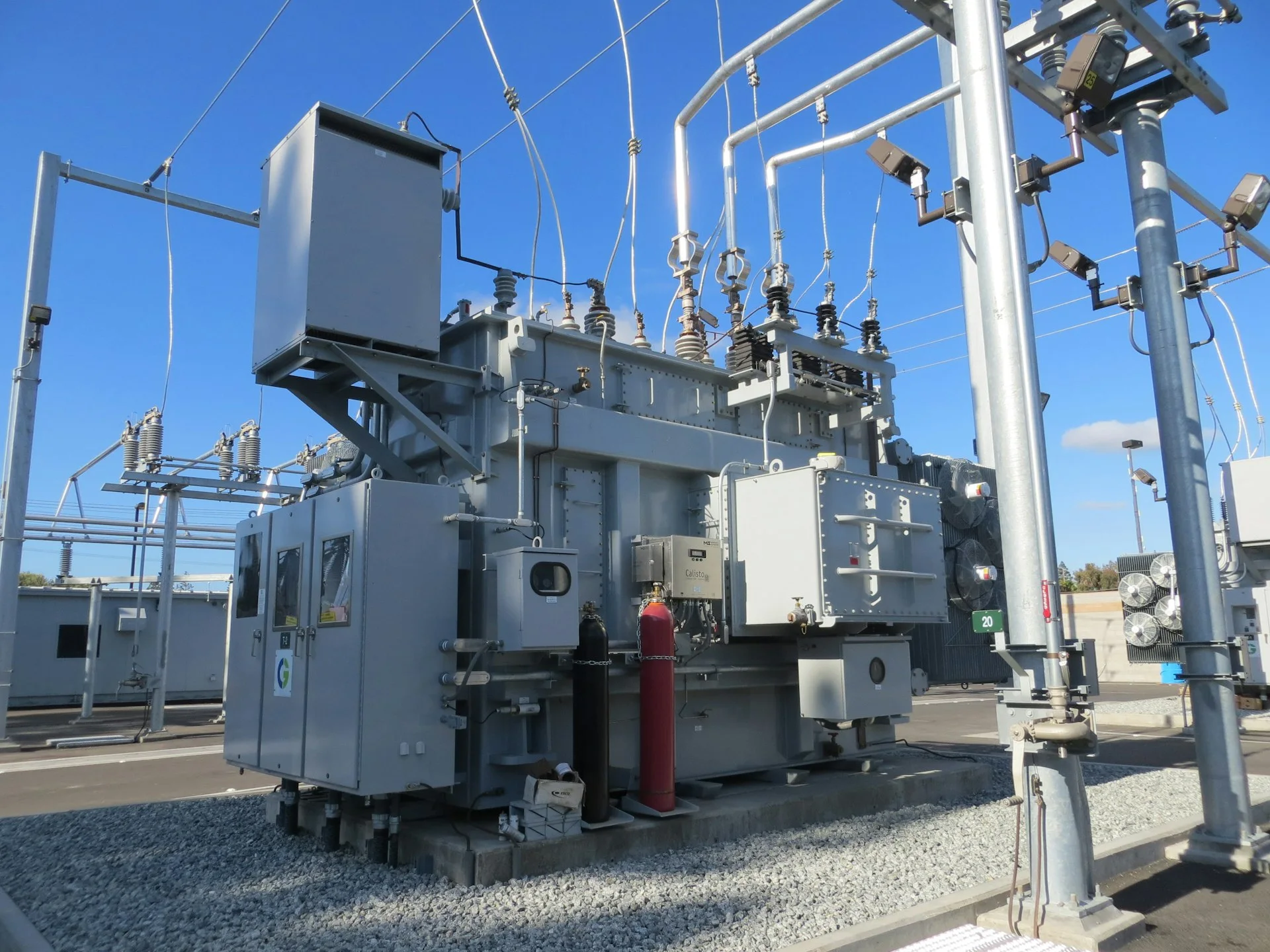
HVAC non-performance, leakage, pressure loss, overheating, controls issues, commissioning gaps, and service coordination failures.

Architectural and envelope defects

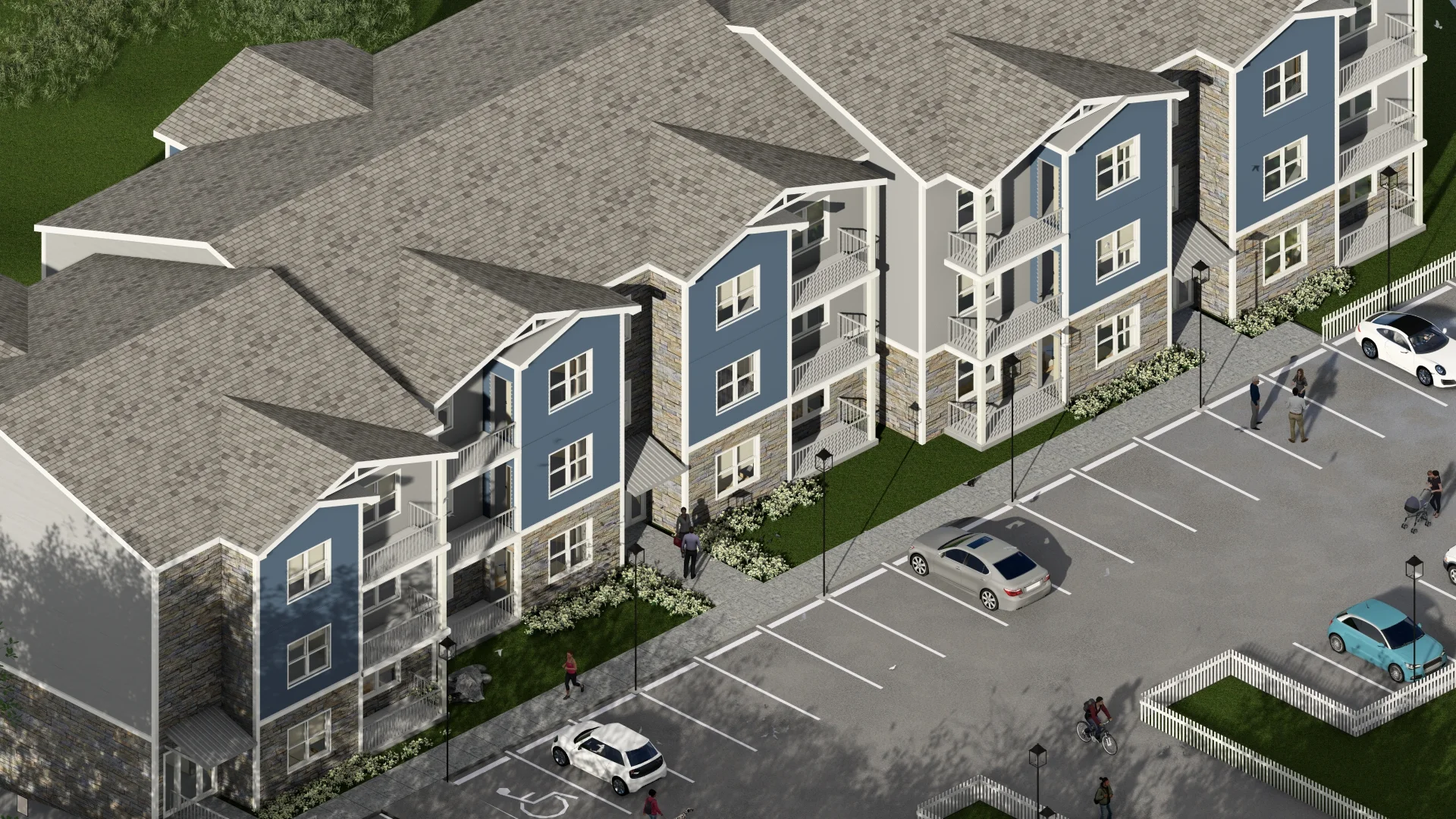
Cladding, roofing, sealant, waterproofing, facade, glazing, and finish issues leading to air or water ingress and deterioration.

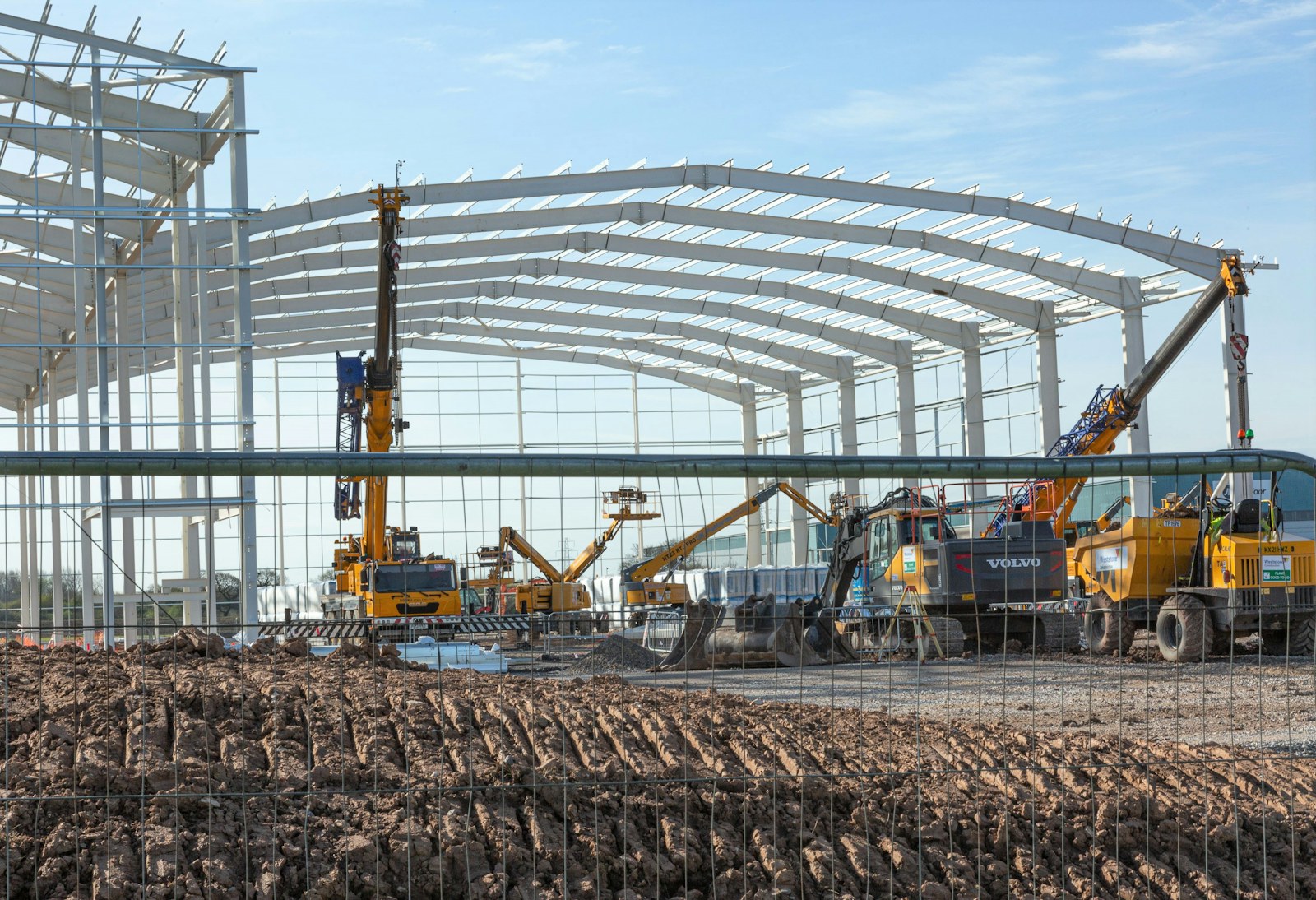
Steel portal frame building under construction
0 +

Successfully Completed Projects

0 +

Years of Industry Experience

0

Sectors Served

typical instructions

Common matters we support

Technical failures usually involve several possible causes and parties. We separate the evidence on design, materials, workmanship, and operation so that the cause and responsibility can be stated clearly.

Defect investigation:

Investigation of reported defects to establish their extent, location, and onset.

Root-cause assessment:

Analysis of whether failures arise from design, materials, workmanship, operation, or maintenance.

Remediation scope review:

Review of proposed remedial works for necessity, extent, and reasonableness.

Insurance and warranty claims:

Technical input to insurance, latent defects, or warranty claims.

Responsibility allocation:

Assessment of which party's scope or obligations the failure relates to.

Expert and dispute support:

Technical findings structured for negotiation, adjudication, arbitration, or litigation.
WHY TECHNICAL FORENSICS MATTERS

What a sound technical forensic review should answer

What failed, where, and when did the visible or measurable symptoms first emerge?

What were the most likely primary and secondary causes: design deficiency, workmanship, material quality, environmental exposure, loading, operation, or maintenance?

Was the issue isolated, systemic, progressive, intermittent, or triggered by a specific event or interface condition?

What records, site evidence, or targeted testing support the opinion and where do evidential gaps remain?

What are the implications for safety, serviceability, durability, remedial scope, cost exposure, or programme impact?

How should the findings be framed for project teams, insurers, legal counsel, or dispute forums?

ASSESSMENT APPROACH

How we investigate technical failures

The precise investigation path depends on the asset type, the defect mechanism, and the records available. In most assignments, however, our work follows a disciplined progression from issue definition to record review, inspection, analysis, and opinion drafting. The emphasis is on evidence, logic, and explaining causation in a way that a technical or non-technical decision-maker can follow.

1. Issue definition and scoping:

identify the alleged defect, affected location, time window, stakeholders, and specific questions to be answered.

2. Document and record review:

evaluate drawings, specifications, calculations, product data, submittals, as-builts, method statements, test records, operation manuals, photos, and correspondence.

3. Inspection planning and site observations:

inspect the physical evidence and compare observed conditions with expected design and workmanship standards.

4. Failure mechanism analysis:

assess how load, moisture, temperature, vibration, sequencing, detailing, access, operation, or maintenance may have contributed.

5. Root-cause and consequence opinion:

distinguish the main cause from secondary contributors and identify the extent and significance of the issue.

6. Reporting and strategic support:

issue clear findings and recommendations for remediation, claims, defence, settlement, or formal proceedings.

RECORDS AND OUTPUTS

Typical records, tests, and deliverables

Technical forensic opinions are strongest when physical evidence is reviewed alongside the relevant design and project record. We work with the available information while identifying gaps, inconsistencies, and items that may require targeted testing or further specialist input.

Records typically reviewed

  • drawings, specs, and as-builts
  • submittals and product data
  • inspection and test records
  • maintenance logs and O&M data
  • photos, videos, and correspondence
  • incident reports or complaint logs

Potential technical checks

  • visual defect mapping
  • condition comparison to details
  • trend and pattern review
  • review of intrusive test results
  • system-operation observations
  • interface and sequencing assessment

Typical deliverables

  • technical forensic report
  • root-cause summary and defect matrix
  • records gap / testing note
  • remediation observations
  • inputs for claims, insurance, or counsel
  • presentation-ready technical findings
FAQS

Frequently asked questions

It is the investigation of why a building element, system, or component failed or underperformed, using records, physical evidence, inspection findings, and engineering reasoning to determine likely cause.

No. This service can cover structural distress, MEP failures, facade and waterproofing issues, finish defects, and broader building-performance concerns.

Yes. Technical forensic findings often inform remediation scope, responsibility arguments, insurance positioning, and the technical parts of claims, defence submissions, or expert reports.

WHY SOLVIX

Why clients use Solvix for technical forensic review

We combine project understanding, technical reasoning, and dispute-aware reporting so complex failure issues are explained clearly and credibly.

Our outputs are designed for management teams, technical stakeholders, insurers, and legal advisers who need an opinion they can act on.

Technical forensics can also be integrated with delay analysis, quantum analysis, claims preparation, expert witness work, and broader dispute support where the matter involves time and cost consequences as well as technical causation.

Our Portfolio

Related Projects

Successfully executed across the globe — showcasing our commitment to excellence.
Cairo Office
Services Available
Local Expertise. Global Standards.
Our Cairo team combines deep local knowledge with international best practices to deliver exceptional results for every project.
UAE Office
Services Available

Local Expertise. Global Standards.

Our Dubai team combines deep local knowledge with international best practices to deliver exceptional results for every project.

KSA Office
Services Available
Local Expertise. Global Standards.
Our Riyadh team combines deep local knowledge with international best practices to deliver exceptional results for every project.
Australia Office
Services Available
Local Expertise. Global Standards.
Our Sydney team combines deep local knowledge with international best practices to deliver exceptional results for every project.
USA Office
Services Available

Local Expertise. Global Standards.
Our US team combines deep local knowledge with international best practices to deliver exceptional results for every project.
UK Office
Services Available
Local Expertise. Global Standards.
Our London team combines deep local knowledge with international best practices to deliver exceptional results for every project.
Book a free 30-min call