


Design Verification & Technical Audit

Book a Free Consultation

Book a Zoom call with a Solvix consultant at a time that suits you. The Zoom link is sent to you as soon as you book.

Book a Free Consultation

Book a Zoom call with a Solvix consultant at a time that suits you. The Zoom link is sent to you as soon as you book.

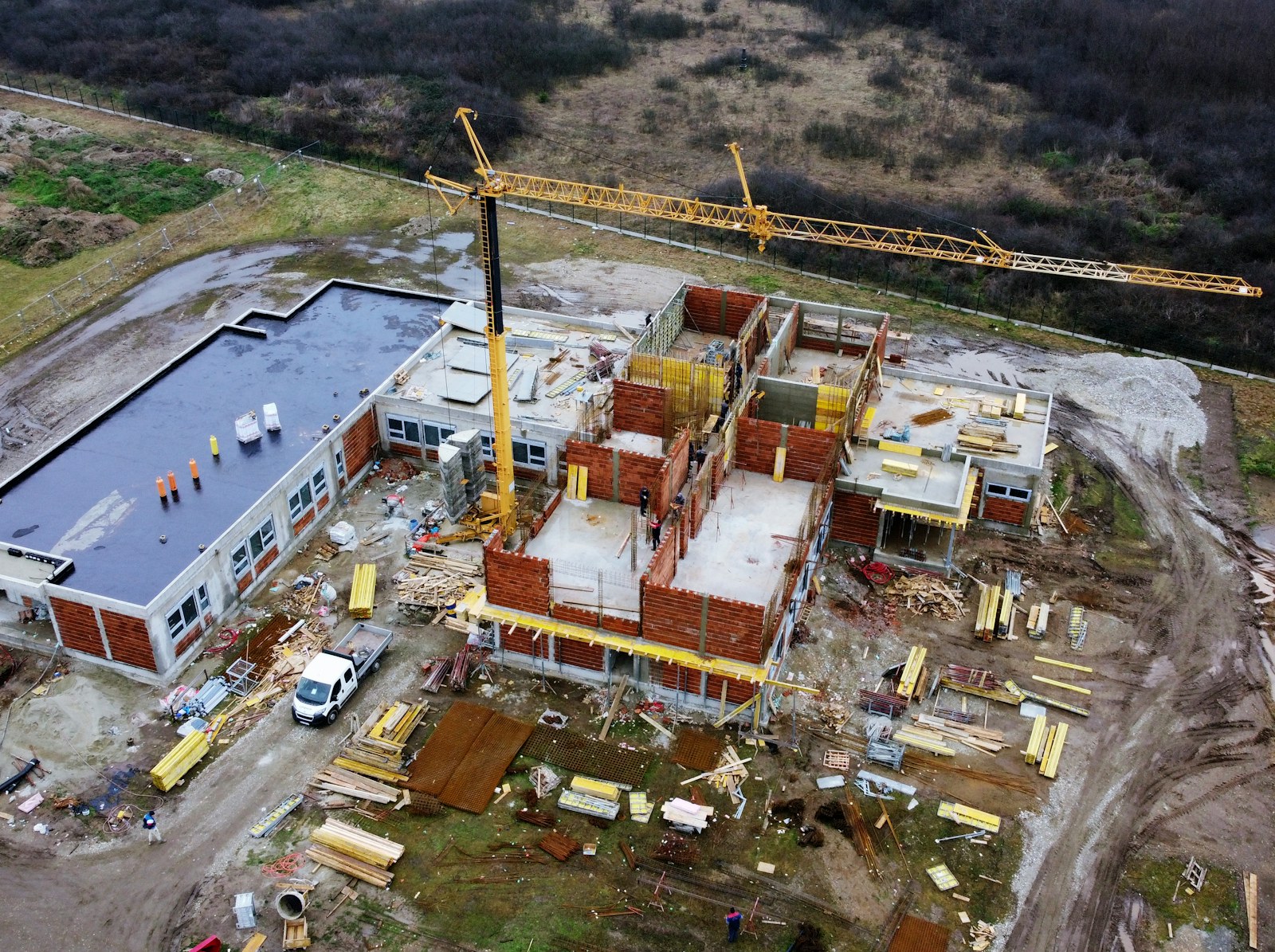
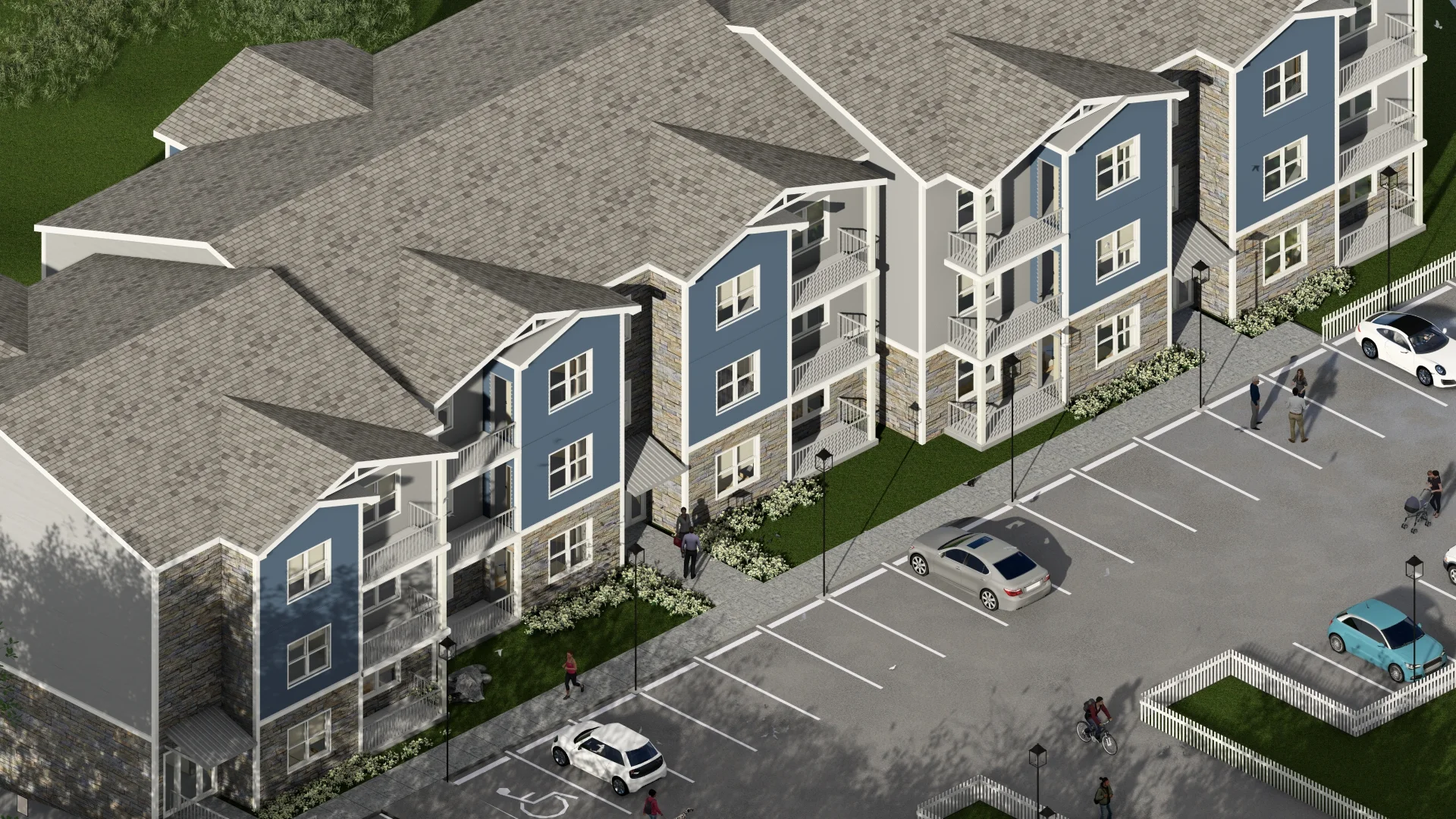
Aerial view of a building under construction
WHAT WE PROVIDE

What we provide

Solvix International provides design verification and technical audit services for clients who need an independent, structured review of whether design information is fit for purpose, coordinated across disciplines, aligned with project requirements, and sufficiently robust for procurement, construction, commissioning, and operation. We work across buildings, infrastructure, and complex engineering schemes to identify risks early, clarify technical uncertainties, and improve decision-making before issues translate into rework, delay, cost growth, or disputes.

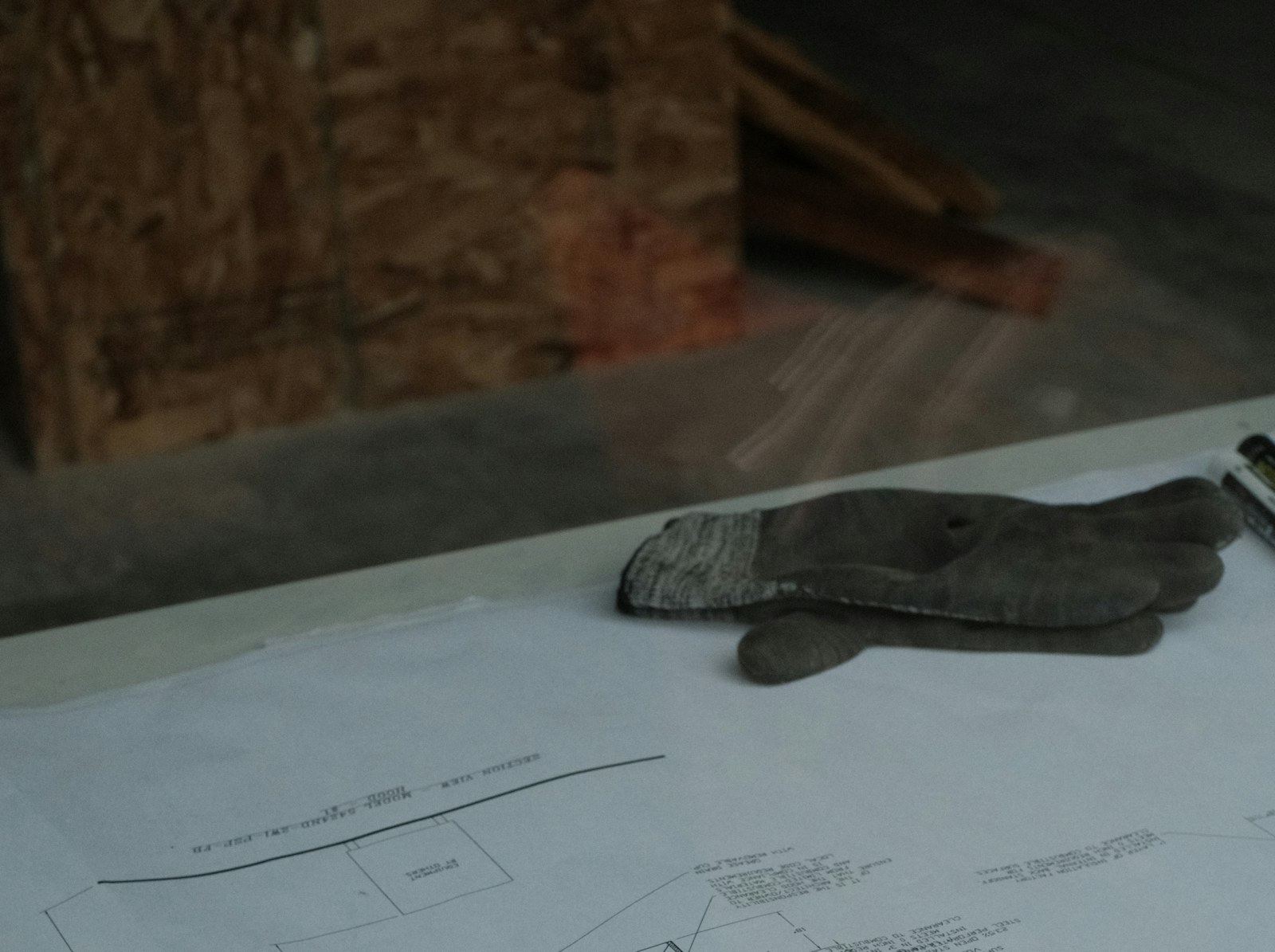
Technical drawings with stamp

Review design packages, specifications, calculations, BIM outputs, interfaces, and technical schedules through a risk-focused lens.

Highlight inconsistencies, gaps, omissions, code concerns, and coordination weaknesses with practical recommendations for closure.

SERVICE SCOPE

What this service covers

A design verification and technical audit can be configured as a gateway review, targeted issue review, independent technical due-diligence exercise, or recurring quality-assurance support across key design stages.

Design basis and criteria review

Check whether the design brief, basis of design, performance requirements, and technical criteria are clear, internally consistent, and traceable through the package.

Code, standard, and specification alignment

Review whether the package appears aligned with applicable codes, standards, employer requirements, and project-specific technical obligations.

Interdisciplinary coordination

Assess interfaces between structural, architectural, civil, MEP, fire, façade, and specialist systems to expose clashes, overlaps, or missing responsibilities.

Constructability and buildability

Evaluate whether the design can be sequenced, procured, installed, tested, and maintained in a practical way within project constraints.

Key Design Review Areas

DESIGN
VERIFICATION
Design basis and criteria
Code and specification compliance
Interdisciplinary coordination
Constructability
Operability and maintenance
Design completeness
REVIEW OBJECTIVES

What a well-prepared design review should achieve

A design verification or technical audit can be carried out at a design stage gateway, before tender, before construction, or when a specific technical concern has been raised.

Requirements met

The design is checked against the brief, basis of design, and stated performance requirements.

fail

Coordinated package

Conflicts between disciplines, drawings, and specifications are identified before they reach site.

Clear actions

Findings are graded by severity and assigned to the responsible designer for closure.

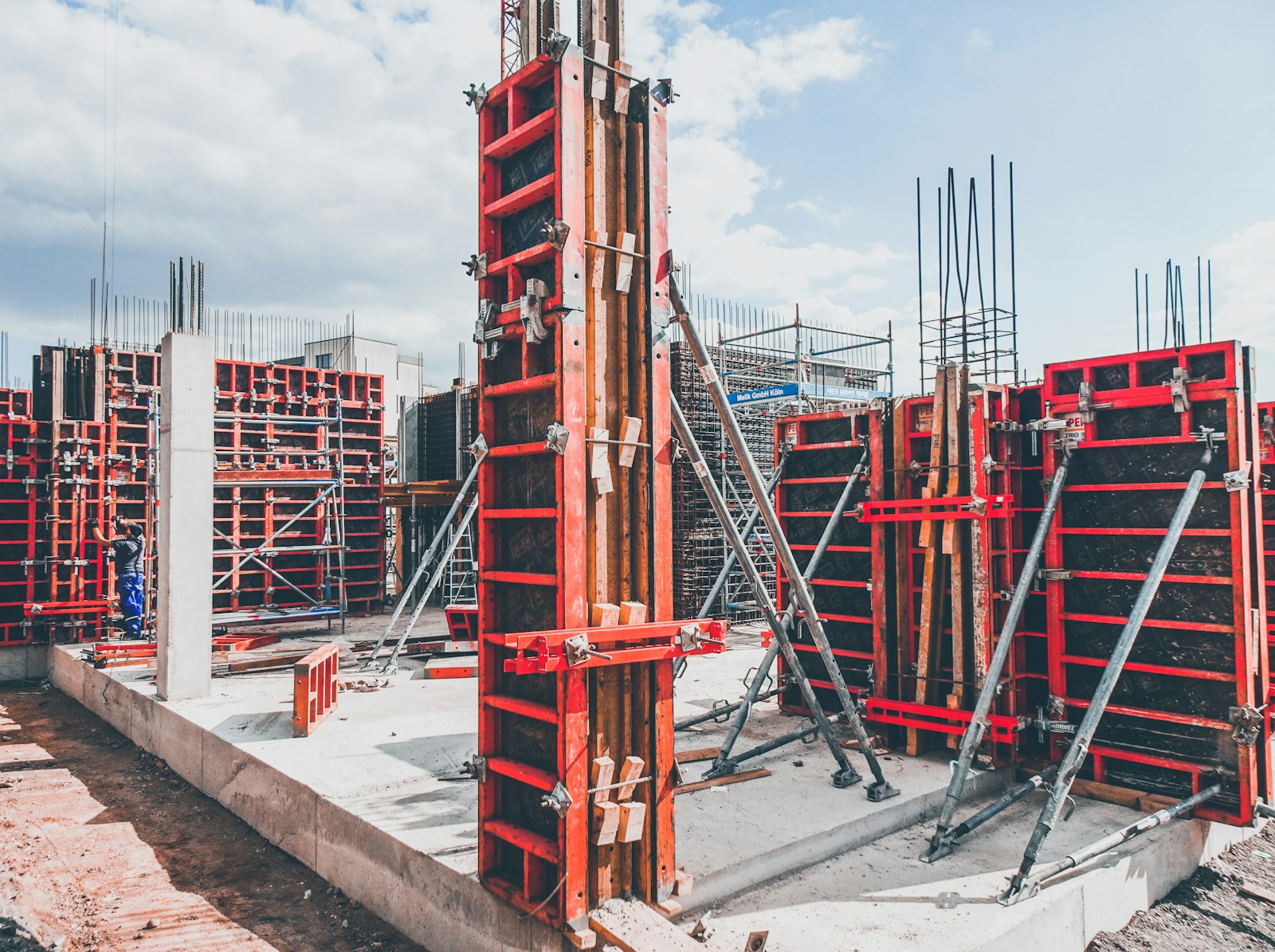
Concrete formwork and reinforcement
0 +

Successfully Completed Projects

0 +

Years of Industry Experience

0

Sectors Served

typical instructions

Common matters we support

Design issues that are not resolved before tender or construction usually reappear as RFIs, variations, and delay. An independent review identifies them while they are cheaper to fix.

Stage gateway reviews:

Independent review of design packages at concept, developed, or technical design stage.

Pre-tender design review:

Check of design completeness and coordination before issue to tender.

Contractor design review:

Review of contractor-designed elements for compliance with employer requirements.

Coordination audits:

Review of interfaces between structural, architectural, MEP, and specialist packages.

Constructability reviews:

Assessment of whether the design can be built, sequenced, and maintained practically.

Targeted technical reviews:

Focused review of a specific system or issue where concerns have been raised.

TYPICAL QUESTIONS

Typical questions we assess

Does the package clearly reflect the project brief, basis of design, scope boundaries, and stated performance requirements?

Are there contradictions between drawings, details, schedules, specifications, models, and supporting calculations?

Do interfaces between disciplines appear coordinated, or are there clashes, duplicated assumptions, and unallocated responsibilities?

Are key technical assumptions, loading criteria, utilities data, site constraints, approvals, or third-party inputs properly captured?

Could unresolved technical issues affect procurement strategy, construction sequencing, safety, commissioning, or long-term operation and maintenance?

Key Review Metrics

Measures commonly used to report design review findings and track their closure

Findings by severity

Number of critical, major, and minor findings.

Findings by discipline

Distribution of findings across design disciplines.

Coordination conflicts

Unresolved clashes and interface conflicts.

Open design queries

Outstanding technical queries and decisions.

Closure rate

Share of findings closed by the responsible designer.

Design completeness

Status of drawings, specifications, and calculations against the deliverable list.

AUDIT METHODOLOGY

How we conduct the review

Our methodology is disciplined but adaptable. The exact scope depends on project maturity, discipline mix, contract context, and the client’s decision objective, yet the same core principle applies throughout: convert large volumes of technical information into clear, prioritised findings that improve confidence and reduce avoidable risk.

1. Scope definition and review plan:

agree the objectives, package boundaries, disciplines, reference documents, applicable standards, and reporting format.

2. Document and information review:

examine drawings, specifications, BIM files where available, design criteria, calculations, schedules, and supporting records.

3. Technical testing and cross-checking:

compare intent, detail, interfaces, assumptions, and deliverables to identify gaps, contradictions, and risk areas.

4. Constructability and operability lens:

consider procurement practicality, installation sequencing, access, maintainability, testing, and commissioning implications.

5. Findings classification:

assign severity, likely consequence, affected discipline, required action, and any dependency on external approvals or further data.

6. Reporting and follow-through:

issue a structured report, findings matrix, and recommended next actions for designers, project managers, and senior decision-makers.

RECORDS AND OUTPUTS

What we usually review and deliver

The strength of any technical audit depends on the quality and maturity of the design information provided. We work with the available record set while making clear where assumptions, missing information, or unresolved dependencies limit certainty.

Typical inputs reviewed

  • Design briefs, employer requirements, basis-of-design documents, and scope matrices
  • Drawings, models, specifications, schedules, calculations, and technical narratives
  • Coordination records, workshop notes, clash outputs, comment logs, and review histories
  • Submittals, vendor data, technical queries, approvals trackers, and outstanding decisions
  • Programme links and procurement information where design readiness affects delivery strategy

Typical outputs issued

  • Technical audit report with executive summary, findings, and recommendations
  • Findings register or issue matrix with priority, discipline, and closure responsibility
  • Constructability and coordination observations for pre-construction action
  • Management briefing note highlighting decisions required and risk exposure
  • Inputs for claims avoidance, tender clarification, change control, or technical dispute support
FAQS

Frequently asked questions

Design verification typically focuses on whether a design satisfies defined requirements and intent, while a technical audit often adds a broader governance and risk lens covering completeness, coordination, constructability, and readiness.

The primary purpose is independent review and advisory support. Where appropriate, Solvix can outline options, clarify issues, and support the design team or client with technically informed recommendations.

Yes. This service can connect directly with BIM modelling and coordination, procurement review, construction audits, claims avoidance work, and wider technical or project-controls support.Yes. This service can connect directly with BIM modelling and coordination, procurement review, construction audits, claims avoidance work, and wider technical or project-controls support.

WHY SOLVIX

Why clients use Solvix for technical audits

We combine technical review discipline with an understanding of programme, procurement, commercial risk, and dispute sensitivity, so findings are useful to both project teams and decision-makers.

Our reports are written to be practical: what the issue is, why it matters, what risk it creates, and what action should happen next.

The service can be scaled from targeted issue reviews to broader multidisciplinary audits across buildings, infrastructure, and major capital projects.

Our Portfolio

Related Projects

Successfully executed across the globe — showcasing our commitment to excellence.
Cairo Office
Services Available
Local Expertise. Global Standards.
Our Cairo team combines deep local knowledge with international best practices to deliver exceptional results for every project.
UAE Office
Services Available

Local Expertise. Global Standards.

Our Dubai team combines deep local knowledge with international best practices to deliver exceptional results for every project.

KSA Office
Services Available
Local Expertise. Global Standards.
Our Riyadh team combines deep local knowledge with international best practices to deliver exceptional results for every project.
Australia Office
Services Available
Local Expertise. Global Standards.
Our Sydney team combines deep local knowledge with international best practices to deliver exceptional results for every project.
USA Office
Services Available

Local Expertise. Global Standards.
Our US team combines deep local knowledge with international best practices to deliver exceptional results for every project.
UK Office
Services Available
Local Expertise. Global Standards.
Our London team combines deep local knowledge with international best practices to deliver exceptional results for every project.
Book a free 30-min call